
Interior and Exterior Demolition Contractors — Toronto / GTA / Thornhill
What interior and exterior demolition actually involves
Interior and exterior demolition is not simply removing finishes or tearing down structures. It is the controlled dismantling of building elements that often interact with load-bearing systems, concrete slabs, steel, utilities, and occupied spaces.
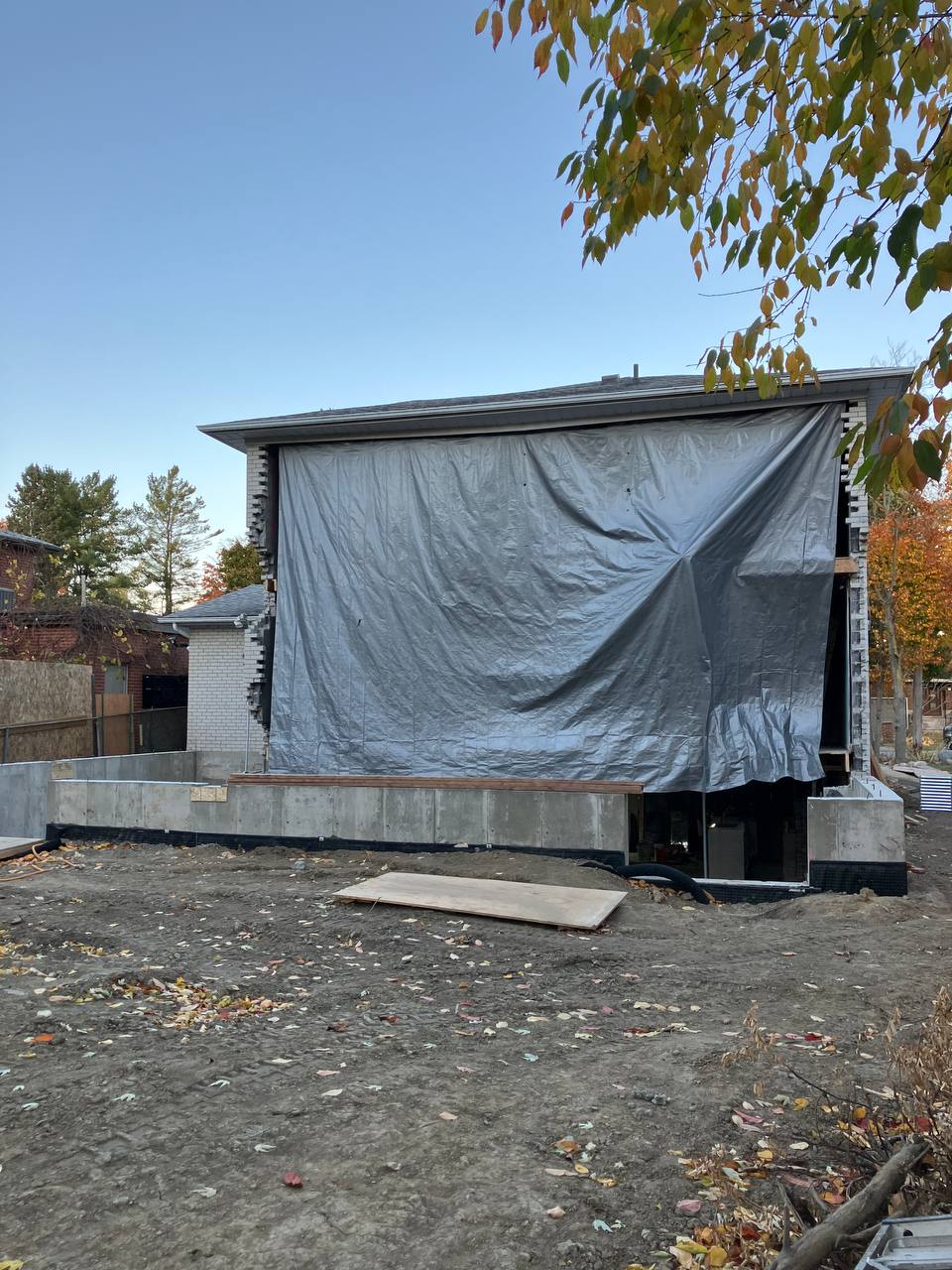
Professional interior and exterior demolition requires sequencing, structural awareness, and coordination between demolition and concrete cutting — especially in active or partially occupied buildings.
Where interior and exterior demolition is typically required
Interior and exterior demolition is typically required in the following situations:
- Commercial renovations and tenant improvements
- Partial building removal or reconfiguration
- Façade demolition and exterior structural changes
- Interior demolition inside active buildings
- Preparation for structural upgrades or expansion
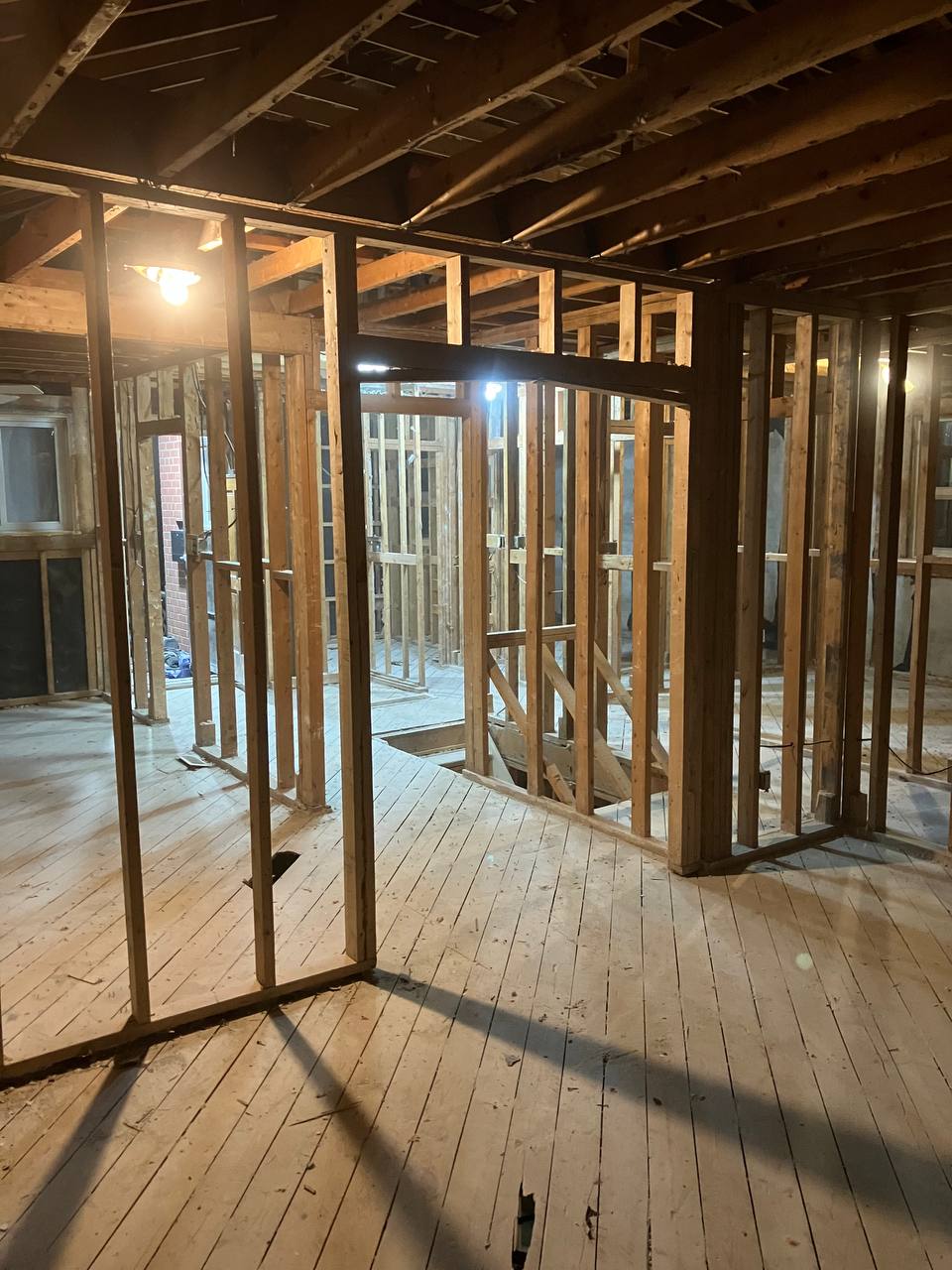
In Toronto and the GTA, many projects fail when interior and exterior work is treated as separate scopes rather than a single integrated demolition process.
Main risks of improper interior and exterior demolition
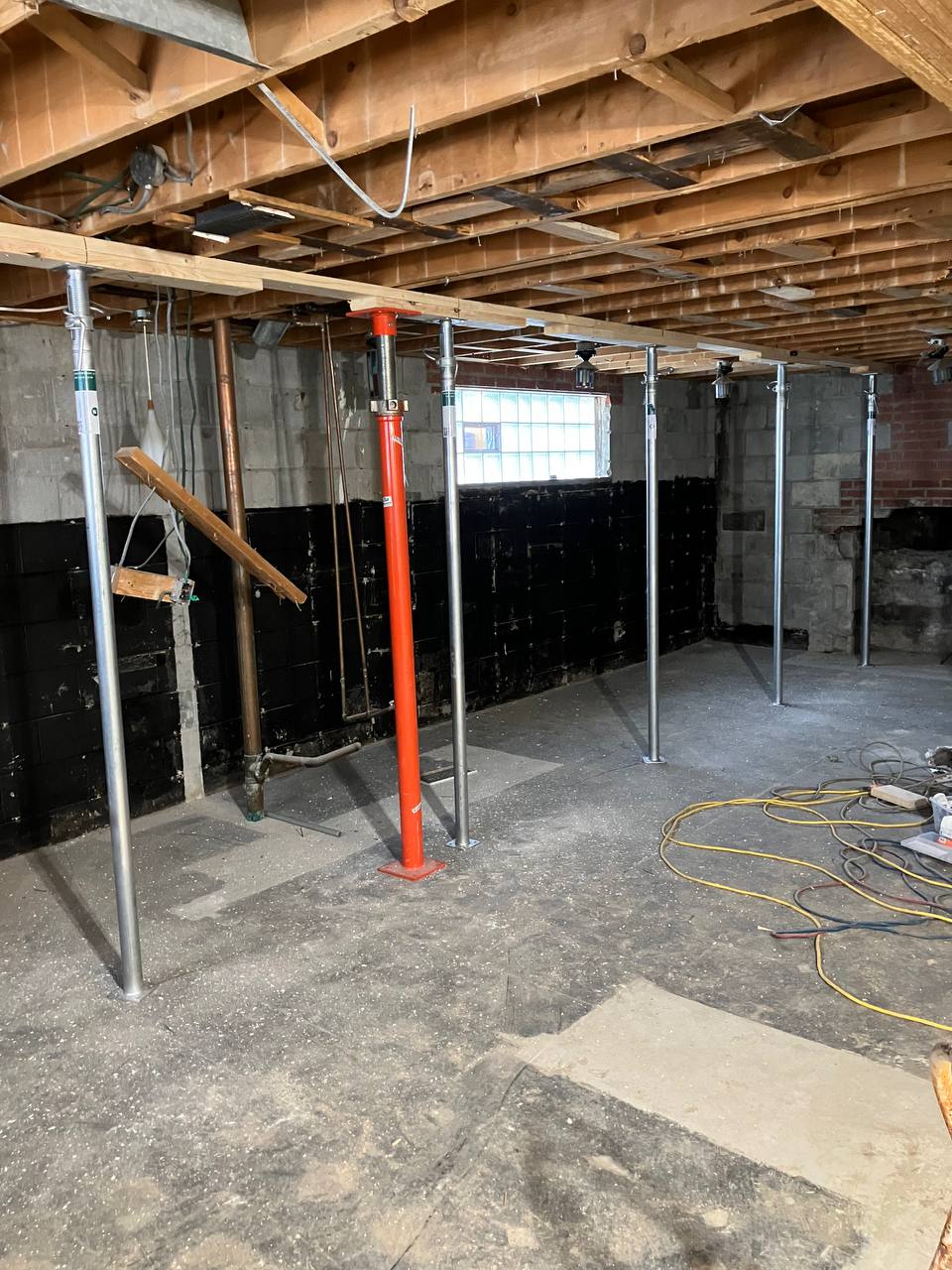
When demolition is handled without proper planning, common risks include:
- Structural damage due to incorrect demolition sequencing
- Unexpected collapse or cracking of adjacent elements
- Damage to slabs, foundations, or steel framing
- Utility disruptions inside occupied buildings
- Schedule overruns caused by rework and repairs
Most failures occur when contractors demolish first and assess structure later.
DRM Team engineering approach
We approach interior and exterior demolition as a coordinated engineering task:
- Evaluation of building structure and demolition scope
- Identification of load-bearing and non-structural elements
- Planning demolition sequence to maintain stability
- Integration of concrete cutting where precise separation is required
- Controlled demolition of interior and exterior components
- Ongoing monitoring to protect structure and utilities

Concrete scanning and cutting are used to reduce risk and prevent accidental structural damage.
Types of demolition projects we handle
- Commercial interior demolition projects
- Partial exterior demolition and façade removal
- Mixed interior/exterior demolition scopes
- Projects requiring concrete cutting and steel work
- Active buildings with strict safety requirements
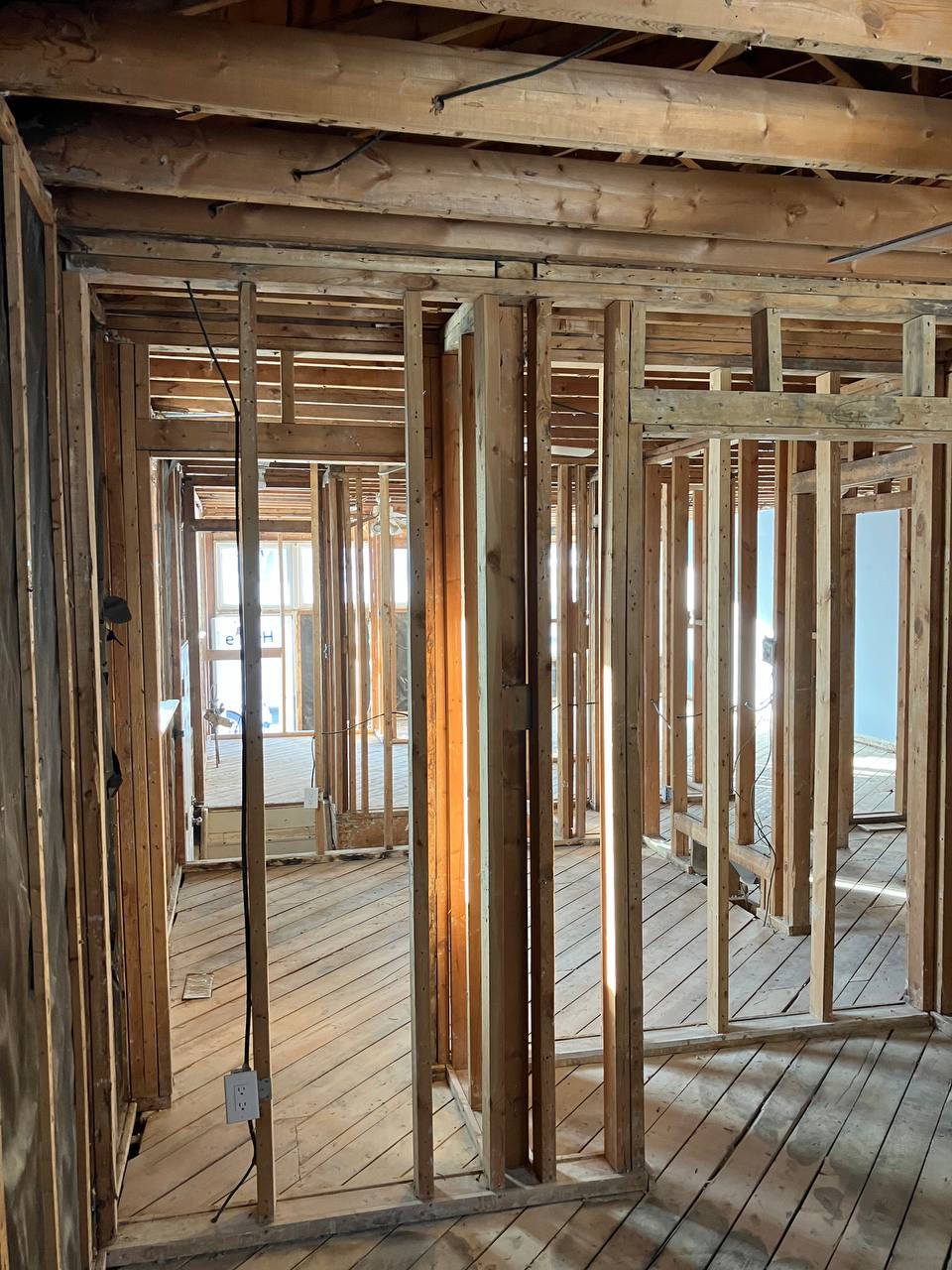
We do not take on projects where demolition is treated as simple labor without structural responsibility.
Clear limitations and realities
- There will be noise, dust, and disruption
- Some demolition phases must be staged carefully
- Structural exposure may reveal additional scope
- Low-cost demolition often leads to schedule and budget issues
These realities are discussed before work begins.