
Commercial interior demolition looks simple — until it isn’t
Commercial interior demolition in Toronto is often treated as a “pre-renovation cleanup stage.”
Walls come down, ceilings are removed, floors are opened — and the renovation begins.
In reality, most problems on commercial projects start exactly at the demolition stage.
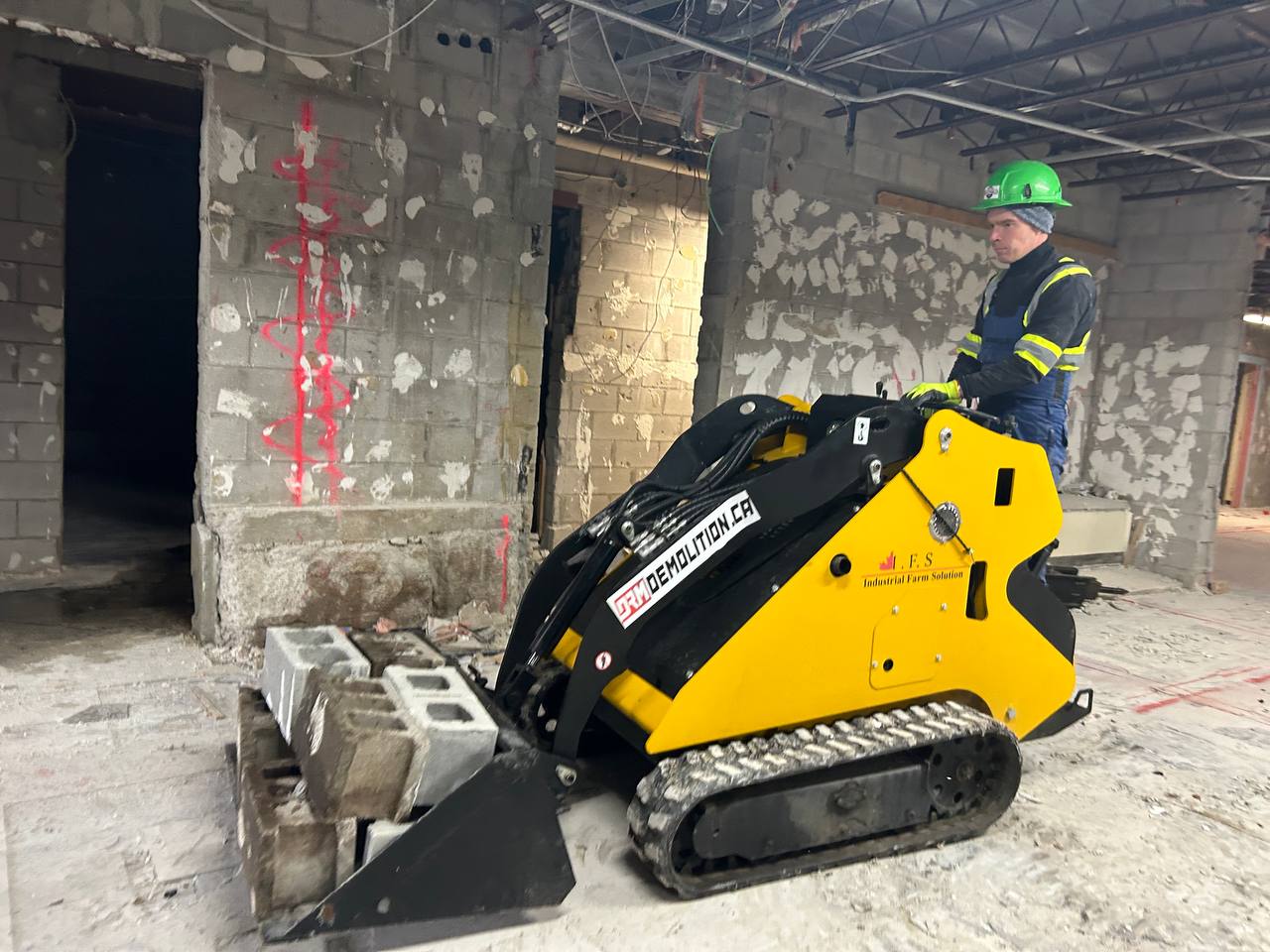
We regularly step into projects where demolition was underestimated, rushed, or handled without proper engineering planning. By that point, delays, structural concerns, and budget overruns are already in motion.
The main risk: demolition without understanding the building
Unlike residential spaces, commercial buildings hide far more complexity inside walls, slabs, and ceilings:
- post-tension slabs
- embedded electrical and data lines
- steel beams inside partitions
- thick reinforced concrete floors
- mechanical systems tied to active areas of the building
The main risk is not “making a mess.”
The real risk is damaging something that was never identified before demolition started.
Once that happens, the project stops.
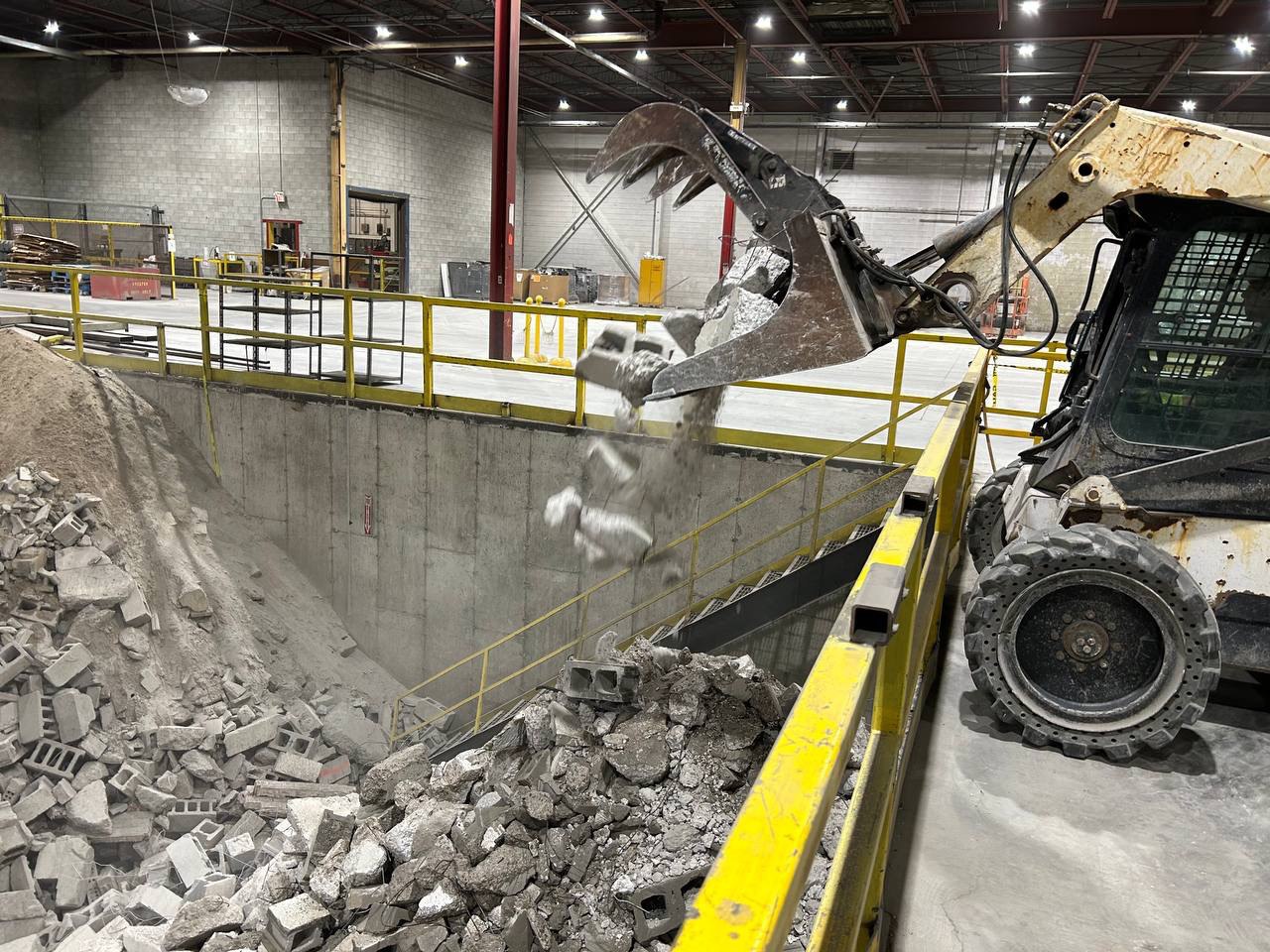
What usually goes wrong on commercial interior demolition projects
1. Demolition starts before proper site assessment
Many projects begin with drawings that no longer reflect reality.
Over the years, commercial spaces are modified, reinforced, or partially rebuilt.
When demolition starts based on assumptions rather than verification, contractors encounter:
- unexpected concrete thickness
- hidden steel elements
- active utilities inside “non-load-bearing” walls
This is where unplanned cutting, delays, and emergency redesigns appear.
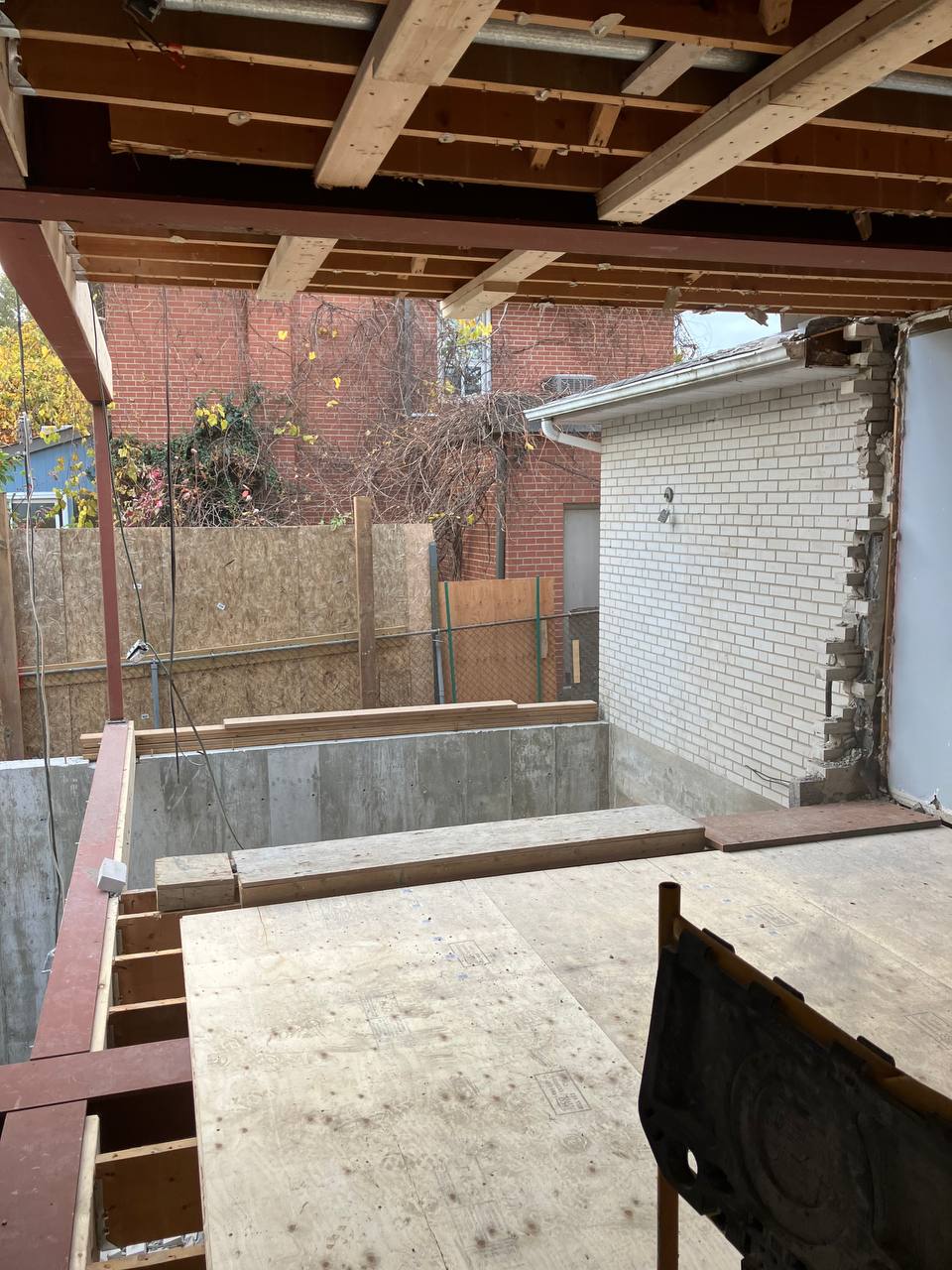
2. Concrete work is treated as a separate problem
A common mistake is hiring a demolition contractor first and “figuring out concrete later.”
In commercial interiors, demolition and concrete cutting are not separate stages.
Removing walls often leads to immediate needs for:
- trenching floors for new plumbing
- cutting openings for doors or services
- trimming foundations or slab edges
When concrete cutting is not integrated from day one, schedules break and responsibility becomes unclear.
3. Structural elements are underestimated
Not every wall looks structural — but many partially are.
Commercial buildings frequently rely on:
- load-sharing partitions
- steel beams hidden above ceilings
- concrete walls contributing to lateral stability
Removing these elements without understanding load paths creates real structural risk, not cosmetic damage.
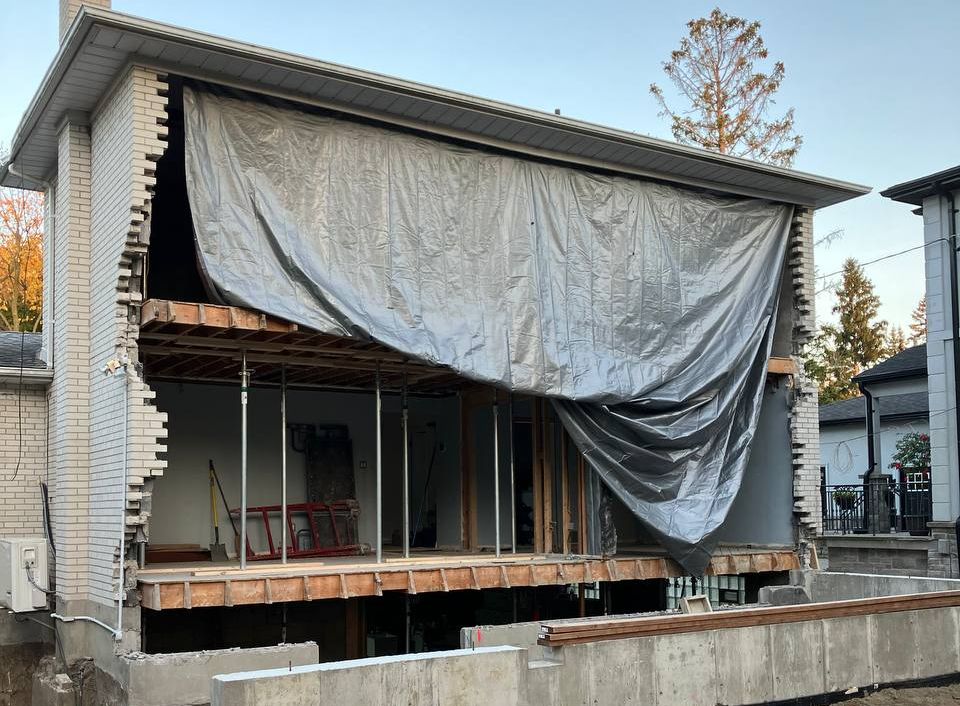
4. Active business operations are ignored
Interior demolition inside active buildings requires sequencing, isolation, and coordination.
Problems arise when demolition is planned as if the building were empty:
- dust travels through HVAC
- noise disrupts tenants
- vibration affects adjacent operations
This leads to complaints, shutdowns, or forced schedule changes.
Why standard demolition approaches fail in commercial interiors
Residential demolition logic does not scale to commercial projects.
In commercial spaces:
- materials are heavier
- tolerances are tighter
- mistakes affect more people
- delays cost significantly more
A “fast and cheap” demolition approach often results in slower progress once problems surface.
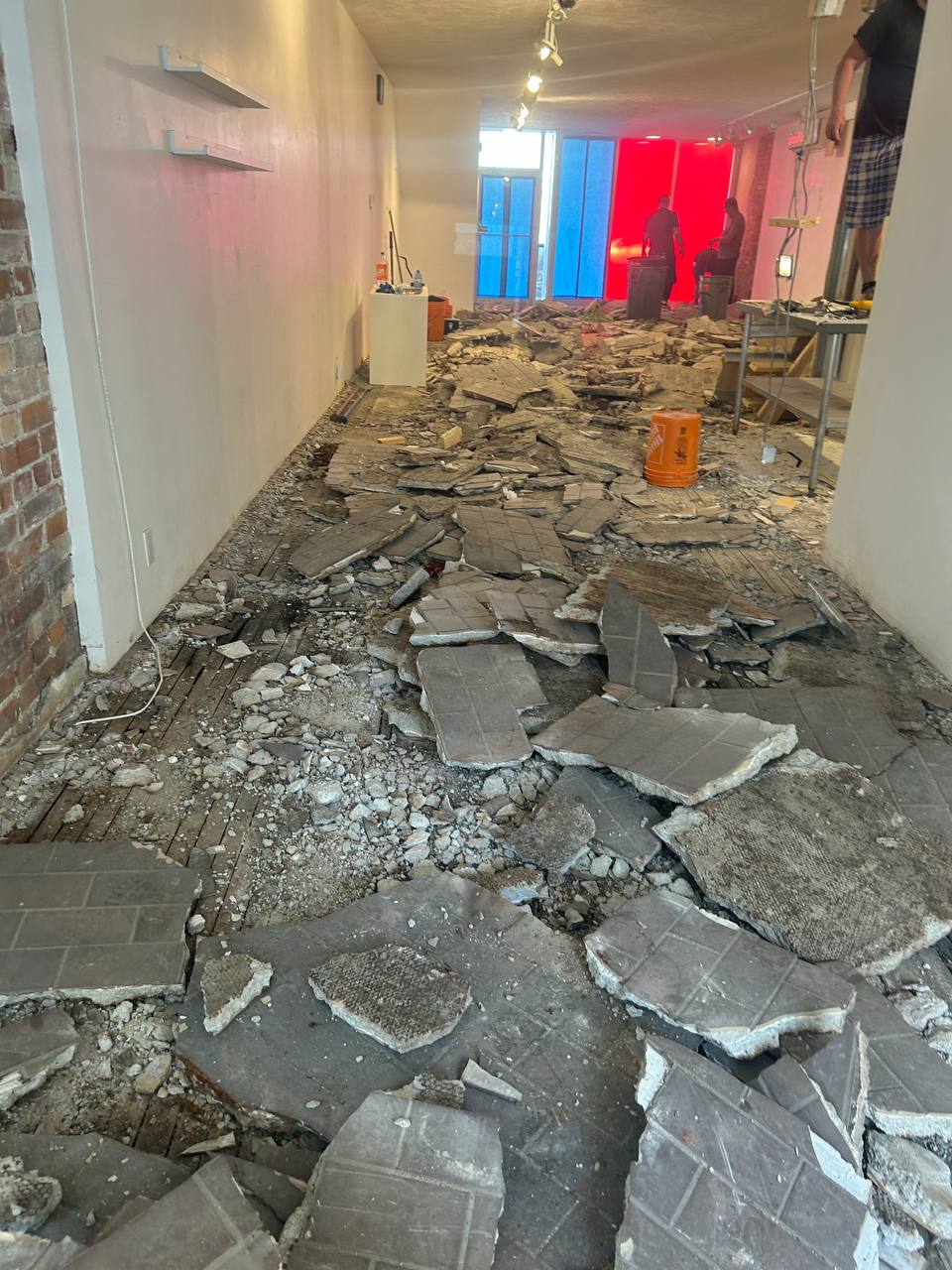
DRM Team’s engineering approach to commercial interior demolition
We approach commercial interior demolition as a controlled engineering process, not brute force removal.
Our planning typically includes:
- on-site verification before demolition starts
- identification of concrete and steel elements early
- integration of demolition and concrete cutting in one scope
- sequencing work to protect structure and operations
This reduces surprises during demolition rather than reacting to them after damage occurs.
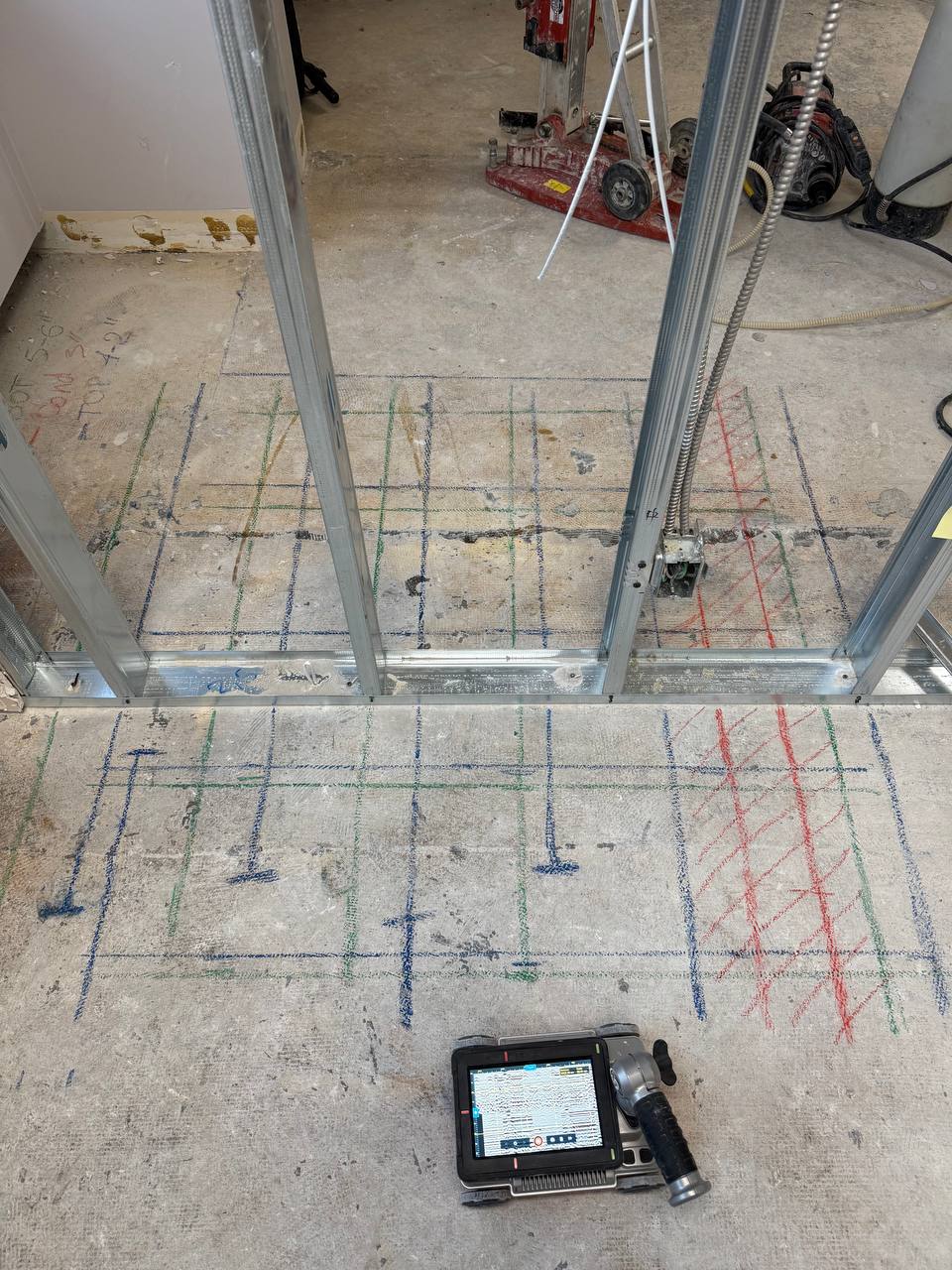
Why concrete scanning and cutting matter from day one
Concrete scanning before cutting or demolition allows us to identify:
- rebar layouts
- post-tension cables
- embedded utilities
This information directly affects how demolition proceeds and where openings or trenches can be safely made.
Skipping this step is one of the most common reasons commercial demolition projects stall.
The result when demolition is planned correctly
When commercial interior demolition is handled with an engineering mindset:
- structure remains intact
- concrete work follows without delays
- renovation schedules stay realistic
- risk is controlled rather than discovered mid-project
Demolition stops being the problem — and becomes the foundation for the renovation that follows.